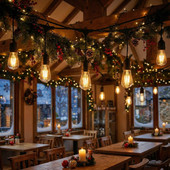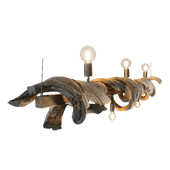
Ever walked into a living room that looked great but did not feel inviting enough to sit and stay? The secret isn’t the furniture alone. It’s the lighting design behind it.
Most people light a family room for visibility. Experts, however, light it for connection, comfort, and conversation.
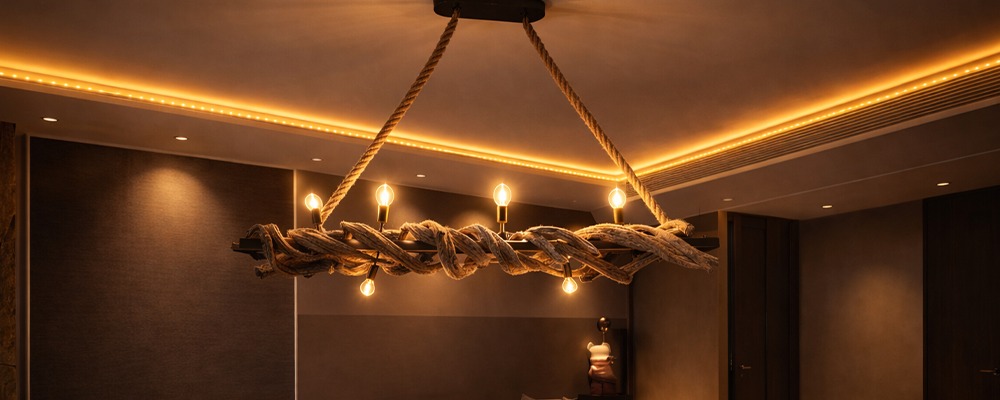
For a family or conversation room, lighting should feel warm, relaxed, and welcoming, not harsh or overly bright.
The ideal choice? 3000 Kelvin (K).
This color temperature creates a soft, inviting glow that enhances the look of your furniture and décor without overwhelming the space. Even better, when paired with dimmable fixtures, you can lower the light to below 2700K, creating an even cozier atmosphere perfect for quiet conversations or evening gatherings.
This flexibility allows you to adjust the mood depending on the time and occasion.
Here’s where most people get it wrong.
Traditional lighting layouts focus on pathways, making sure you can see where you’re walking. While that’s useful, it doesn’t create a compelling or inviting space.
Instead, professionals use a simple but powerful trick:
Focus your lighting on the furniture, not the pathway.
Why?
Because lighting naturally draws attention. When sofas, chairs, and seating areas are softly illuminated, it subconsciously signals comfort and invites people to sit, relax, and engage.
After all, in a familiar space like a family room, you already know where your feet are going.
To perfect your family room lighting, combine different layers:
This layered approach prevents flat lighting and creates a space that feels dynamic yet comfortable.
When done right, lighting doesn’t just brighten a room, it transforms how people interact within it.
A well-lit conversation area:
It’s a subtle upgrade with a powerful impact.
The best family rooms aren’t just seen, they’re experienced. By using warm lighting around 3000K, dimming when needed, and focusing on furniture instead of pathways, you create a space that naturally draws people in. Sometimes, the smallest design tricks make the biggest difference.
Warm lighting around 3000K is ideal for creating a comfortable and inviting atmosphere.
Yes, dimmable lights allow you to adjust brightness and create different moods for various occasions.
No, it’s more effective to highlight furniture and seating areas to encourage relaxation and conversation.
3000K is great for general use, while 2700K works well for softer, more intimate settings.
Use warm tones, layer your lighting, and focus illumination on seating areas rather than walkways.