How to Fix Flickering Lights: Simple Solutions Every Homeowner Should Know
AQ Lighting Jun 3rd 2026
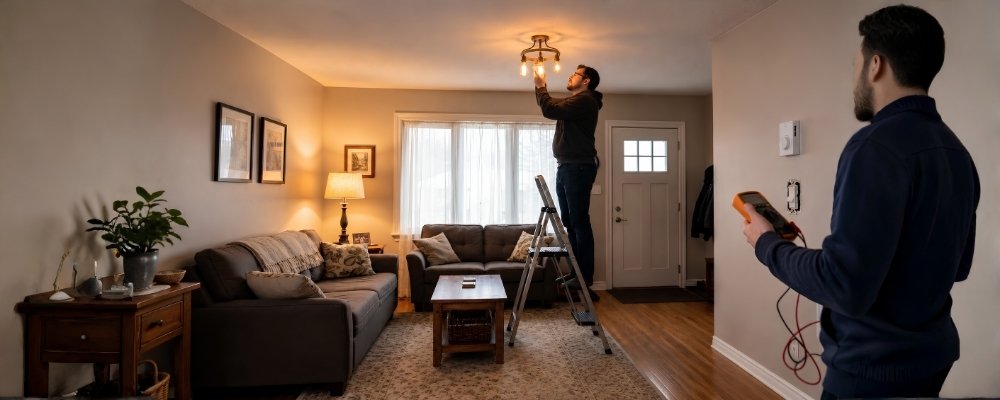
You flip the switch, the light turns on, and then it starts flickering. Maybe it is subtle. Maybe it is constant. Or maybe the light seems to have a mind of its own, randomly dimming and brightening throughout the day. Whatever the situation, flickering lights are not just annoying. They can make a room uncomfortable, create eye strain, and in some cases, signal an underlying electrical issue that needs attention.
The good news? Not every flickering light requires an electrician. In many cases, the problem is surprisingly simple to identify and fix. If you have been searching for how to fix flickering lights, this guide will walk you through the most common causes, practical solutions, and signs that it is time to call a professional.
Why Do Lights Flicker in the First Place?
Before fixing the issue, it helps to understand what causes flickering. A light flickers when there is an interruption or inconsistency in the flow of electricity reaching the bulb. Sometimes the problem is as simple as a loose bulb. Other times, it could involve wiring, switches, dimmers, or voltage fluctuations.
The key is identifying whether the flickering is affecting a single light fixture or multiple lights throughout your home. If only one light is flickering, the solution is usually straightforward. If several lights are flickering at the same time, further investigation may be needed.
Start With the Simplest Fix: Check the Bulb
It sounds obvious, but a loose bulb is one of the most common causes of flickering lights. Over time, bulbs can gradually loosen due to vibration, temperature changes, or normal use. When the bulb is not making full contact with the socket, the electrical connection becomes inconsistent. To check:
- Turn off the light.
- Allow the bulb to cool if necessary.
- Carefully tighten the bulb.
- Turn the light back on and monitor it.
If the flickering stops, you have likely solved the problem. Sometimes the bulb itself may be faulty. In that case, replacing it with a new one is often the easiest solution.
Make Sure Your LED Bulb Is Compatible
One of the biggest reasons homeowners experience flickering today involves LED lighting. LED bulbs are highly energy-efficient, but they can flicker if they are not compatible with the fixture or dimmer switch being used. Many people upgrade from traditional bulbs to LEDs without realizing that older dimmer switches were designed for incandescent lighting. The result? The LED bulb receives inconsistent electrical signals, causing noticeable flickering. If your flickering occurs mainly when dimming the light, compatibility is likely the issue.
Check the Dimmer Switch
A dimmer switch can be the hidden culprit behind many lighting problems. Older dimmers often struggle to regulate power properly for modern LED bulbs. Even newer dimmers can sometimes cause issues if they are not matched to the bulb type. Signs of dimmer-related flickering include:
- Flickering only when dimmed
- Lights flashing at specific brightness levels
- Inconsistent brightness changes
If you suspect the dimmer is causing the problem, try temporarily replacing it with a standard switch or upgrading to an LED-compatible dimmer. In many cases, this immediately resolves the issue.
Inspect the Light Fixture Connection
Sometimes the problem is not the bulb at all. Inside the light fixture, wiring connections can loosen over time. A loose connection may interrupt the electrical flow and create flickering. If you feel comfortable performing basic electrical inspections and have turned off power at the breaker, you can check for visibly loose connections. However, if you are uncertain or notice damaged wiring, it is best to contact a qualified electrician rather than attempting repairs yourself.
Is One Light Flickering or the Whole House?
This question is important because it helps determine how serious the issue might be.
If Only One Light Is Flickering
The problem is usually related to:
- A loose bulb
- A faulty bulb
- A fixture issue
- A dimmer compatibility problem
These issues are generally simple to resolve.
If Multiple Lights Are Flickering
The situation may involve:
- Voltage fluctuations
- Loose electrical connections
- Circuit overloads
- Main electrical service problems
When multiple lights flicker simultaneously, it is worth investigating further because the cause could affect more than one fixture.
Watch for Appliance-Related Flickering
Have you noticed lights flickering when the air conditioner starts? Or when the refrigerator, microwave, or washing machine turns on? Large appliances require significant power during startup. In some homes, this can cause temporary voltage drops that affect nearby lighting. Occasional brief dimming may be normal, especially with older electrical systems. However, frequent or severe flickering may indicate that your home's electrical system is struggling to handle the load efficiently.
Check for Circuit Overloads
Modern homes use more electrical devices than ever before. Computers, televisions, kitchen appliances, gaming systems, chargers, and smart devices all draw power from household circuits. When too many devices operate on the same circuit, electrical performance can suffer. Possible signs include:
- Flickering lights
- Frequently tripped breakers
- Warm outlets or switches
- Reduced appliance performance
If this sounds familiar, redistributing electrical loads or upgrading circuits may help resolve the issue.
The Role of Voltage Fluctuations
Your home's electrical system is designed to operate within a specific voltage range. When voltage fluctuates significantly, lighting performance can be affected. Common signs include:
- Lights becoming unusually bright
- Lights dimming unexpectedly
- Multiple fixtures flickering at once
- Bulbs burning out more frequently
Because voltage issues can sometimes indicate larger electrical problems, they should be evaluated by a licensed electrician if they occur regularly.
When Flickering Lights Signal a Bigger Problem
While many flickering issues are harmless, some warning signs should never be ignored. Contact an electrician if you notice:
- Burning smells near switches or fixtures
- Sparks when operating switches
- Warm or discolored outlets
- Buzzing sounds from electrical panels
- Multiple rooms experiencing flickering simultaneously
These symptoms may indicate loose wiring or more serious electrical concerns that require professional attention.
Upgrade to High-Quality LED Lighting
Sometimes the easiest solution is simply upgrading the lighting itself. Low-quality bulbs often have inconsistent drivers and components that contribute to flickering. Investing in reliable LED products can significantly improve lighting performance and longevity. This is especially important in kitchens, living rooms, offices, and outdoor areas where lighting quality directly affects comfort and visibility.
For homeowners looking to improve lighting reliability and efficiency, AQ Lighting offers high-quality LED lighting solutions designed for consistent performance, energy efficiency, and long-term durability. Choosing quality fixtures and bulbs can help eliminate many common lighting frustrations before they start.
Preventing Flickering Lights in the Future
The best way to avoid future problems is through a combination of quality products and regular maintenance. A few simple habits can make a big difference:
- Use bulbs recommended for the fixture
- Choose LED-compatible dimmer switches
- Replace aging bulbs promptly
- Avoid overloading circuits
- Schedule periodic electrical inspections for older homes
Preventive maintenance often saves time, money, and frustration later.
Most Flickering Lights Have Simple Solutions
If you are wondering how to fix flickering lights, start with the basics. Check the bulb. Verify LED compatibility. Inspect the dimmer switch. Look for appliance-related patterns. In many cases, the solution is quick and inexpensive. However, if multiple lights are flickering or you notice signs of electrical problems, do not ignore them. Addressing electrical issues early helps protect both your home and your safety.
The good news is that most flickering light problems are easier to solve than people think. A little troubleshooting can often restore steady, reliable lighting and bring peace of mind back to your home.
FAQs
➜ What causes lights to flicker?
Lights typically flicker due to loose bulbs, incompatible LED bulbs, faulty dimmer switches, loose wiring connections, or voltage fluctuations.
➜ Can a loose bulb cause flickering?
Yes, a loose bulb is one of the most common causes of flickering because it interrupts the electrical connection between the bulb and the socket.
➜ Why do LED lights flicker?
LED lights often flicker when used with incompatible dimmer switches, poor-quality drivers, or electrical systems that do not provide consistent power.
➜ Should I worry if multiple lights are flickering?
Yes, if multiple lights flicker at the same time, it may indicate voltage fluctuations, overloaded circuits, or a larger electrical issue that should be inspected.
➜ When should I call an electrician for flickering lights?
You should contact an electrician if flickering is accompanied by burning smells, sparks, buzzing sounds, warm outlets, or widespread electrical issues throughout the home.