Landscape Lighting Installation Plan: Contractor Guide
AQ Lighting Mar 5th 2026

Have you ever considered how the right outdoor lighting can make or break a property’s first impression? For businesses and homeowners alike, poor visibility or lackluster presentation can hurt reputation, foot traffic, and even safety. Smart landscape lighting does more than just illuminate pathways. It highlights architectural features, enhances security, and creates an inviting atmosphere for visitors. This contractor guide explores everything you need to plan and execute the perfect landscape lighting installation.
Understanding Landscape Lighting
Landscape lighting is the strategic placement of lights around a property to enhance aesthetics, safety, and functionality. Options range from low voltage landscape lighting to solar-powered solutions, each with unique benefits. Low voltage systems are popular for their energy efficiency, flexibility, and ease of installation. Solar landscape lighting offers a sustainable alternative without extensive wiring.
The goal is simple: use light to guide, highlight, and create ambiance. Whether installing landscape lights for a pond area or illuminating walkways, each fixture should have a purpose.
Planning Your Landscape Lighting Installation
A successful landscape lighting installation begins with a plan. Contractors should consider the property layout, focal points, and the client’s vision. Start with a site survey to identify features that deserve emphasis, such as trees, water features, garden beds, or outdoor seating areas.
Key steps include:
- Mapping the Area: Sketch the property, marking pathways, patios, and focal points. Identify where shadows fall to avoid dark spots.
- Choosing Lighting Types: Determine which lights suit each area. For pathways and steps, low voltage landscape lighting provides safety and subtle elegance. For ponds or water features, consider specialized waterproof fixtures. Solar landscape lights are ideal for remote areas where wiring is difficult.
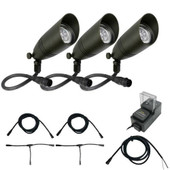
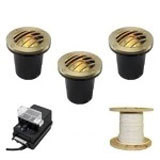
- Determining Power Requirements: Calculate total wattage and select the appropriate low voltage landscape lighting transformer. Transformers convert standard voltage to safe, efficient low voltage for your fixtures.

Types of Landscape Lights
Selecting the right type of landscape lights is essential for both function and style. Popular options include:
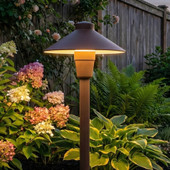
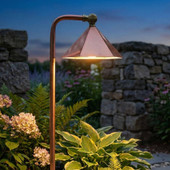
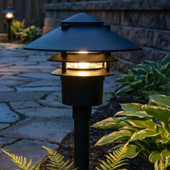
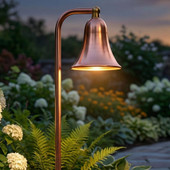
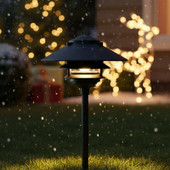
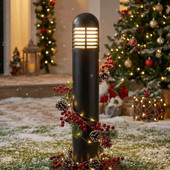
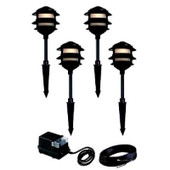
- Path Lights: Illuminate walkways and driveways for safety. Low voltage path lights are efficient and simple to install.
- Spotlights and Floodlights: Highlight trees, sculptures, or building facades. Adjustable fixtures allow precise targeting.
- Deck and Step Lights: Enhance stairs and patios while preventing accidents.
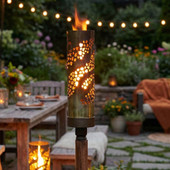
- Pond and Water Feature Lights: Waterproof landscape lights for ponds create dramatic reflections and add a magical glow.
- Solar Landscape Lights: Best solar landscape lights offer flexibility and energy savings. They are perfect for accentuating features without running wiring.
Installation Tips for Contractors
Proper installation ensures safety, durability, and aesthetic appeal. Follow these professional guidelines:
- Use a Layered Lighting Approach: Combine ambient, task, and accent lighting to create depth and dimension. Ambient lighting provides general illumination, task lighting highlights functional areas, and accent lighting draws attention to focal points.
- Maintain Consistent Lighting Levels: Avoid overly bright or harsh lighting that can create glare. Low voltage landscape lighting offers softer, more natural illumination.
- Consider Shadows and Angles: Position lights to enhance textures and shapes. Shadows can be used creatively to add drama or disguise imperfections.
- Plan Wiring and Connections: For low voltage landscape lighting, ensure cables are hidden and secured. Waterproof connectors are crucial for outdoor longevity.
- Test Before Final Installation: Temporarily set up fixtures to assess coverage and angles. Adjust placement for even light distribution.
Outdoor Landscape Lighting Ideas
Inspiration helps contractors suggest creative solutions to clients. Some landscape lighting ideas include:
- Highlighting a garden pond with underwater or edge-mounted lights.
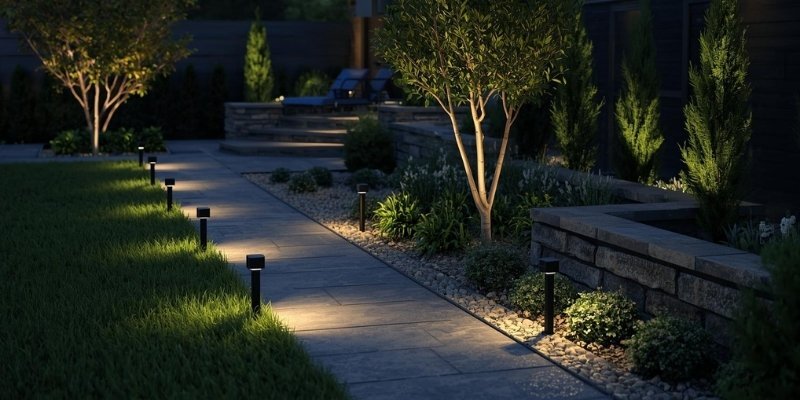
- Framing pathways and driveways with low voltage lights for elegance and safety.
- Using spotlights to accentuate trees or architectural features.
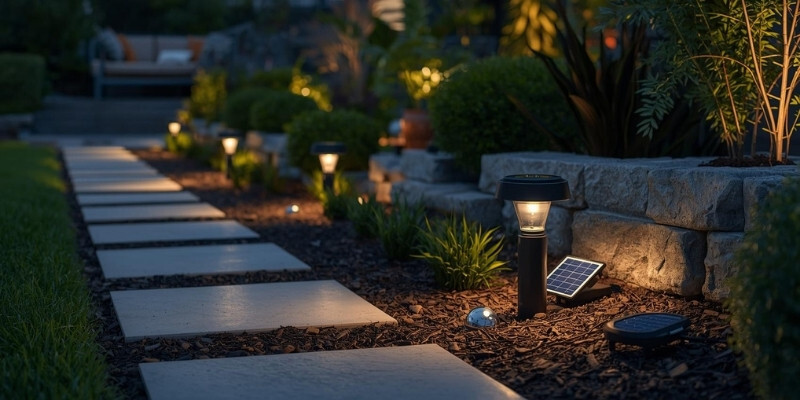
- Installing solar landscape lights along fences or seating areas for a sustainable glow.
- Creating a layered effect with uplights, downlights, and step lights for patios or outdoor entertainment zones.
Safety and Maintenance
Safety is critical for outdoor lighting. Low voltage landscape lighting reduces risk of electric shock and is easier to maintain. However, regular checks are necessary:
- Inspect wiring for wear or exposure.
- Clean fixtures to prevent debris from reducing brightness.
- Replace bulbs promptly to maintain uniform lighting.
- Ensure transformers are correctly sized and protected from weather.
Solar landscape lighting also requires maintenance. Clean solar panels regularly to maximize sunlight absorption and battery life.
Benefits of Professional Landscape Lighting
Investing in professional landscape lighting offers tangible benefits:
- Enhanced Curb Appeal: Well-lit landscapes create a welcoming atmosphere for visitors or customers.
- Increased Property Value: Attractive, functional lighting can boost the resale or commercial value.
- Safety and Security: Proper illumination deters intruders and reduces accidents.
- Energy Efficiency: Low voltage and solar options minimize energy consumption while providing high-quality lighting.
- Customization: Contractors can tailor lighting schemes to match client preferences and property features.
Where to Place Landscape Lighting
Placement is key to achieving a visually appealing and functional landscape:
- Pathways and Walkways: Use path lights spaced evenly for safe navigation.
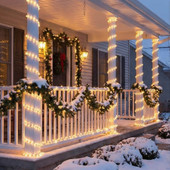
- Entrances and Doorways: Illuminate key access points to welcome guests and improve security.
- Water Features: Highlight ponds or fountains with waterproof or submersible lights.
- Trees and Shrubs: Uplights accentuate foliage textures and create dramatic effects.
- Patios and Decks: Step lights or rail lighting improve usability and ambiance.
Lighting Your Landscape with Confidence
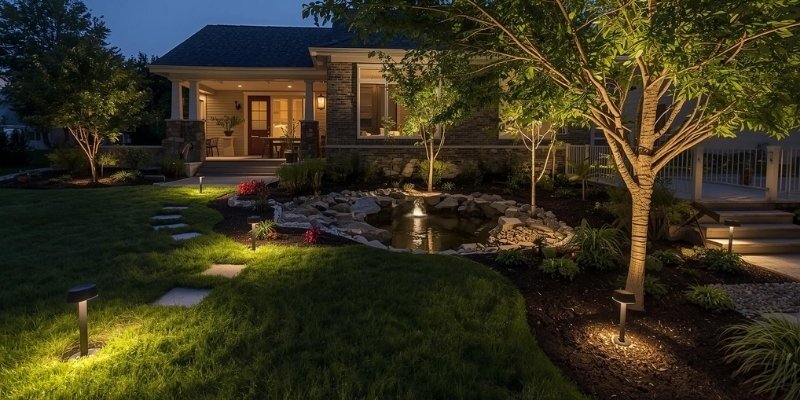
Landscape lighting installation is both an art and a science. Contractors must balance aesthetics, safety, and efficiency while meeting client expectations. From low voltage landscape lighting systems to the best solar landscape lights, a thoughtful plan ensures every fixture enhances the property. At AQLighting, our extensive collection of outdoor landscape lighting products makes it easy to create striking, durable, and energy-efficient installations. Explore our selection today to find solutions that brighten every corner of your projects.
FAQs
➜ How to install landscape lighting?
Start with a plan, choose the right fixtures, and follow manufacturer instructions for wiring and placement. Test before final installation to ensure coverage.
➜ How to design landscape lighting?
Consider focal points, functional areas, and ambiance. Combine ambient, task, and accent lighting to create depth and balance.
➜ How to install low voltage landscape lighting?
Run cables discreetly, connect to a correctly sized transformer, and use waterproof connectors for safety and durability.
➜ How to add outdoor lighting?
Determine your power source, select fixtures based on location, and layer lighting types to achieve desired effects.
➜ Where to place landscape lighting?
Focus on pathways, entrances, patios, water features, and trees. Use placement to highlight beauty and improve safety.
➜ What are the benefits of low voltage landscape lighting?
Low voltage systems are energy-efficient, safe, flexible, and cost-effective, making them ideal for residential and commercial projects.
➜ Can solar landscape lighting fully replace wired systems?
Solar lights are great for remote areas or accent lighting but may not provide consistent brightness for all applications compared to low voltage wired systems.
➜ How far apart should landscape lights be installed?
Spacing depends on fixture type and purpose. Path lights are usually spaced 6 to 10 feet apart, while accent lights depend on the feature size.
➜ What is the lifespan of outdoor landscape lighting fixtures?
High-quality LED fixtures can last 25,000 to 50,000 hours, while solar lights may require battery replacements every 2 to 3 years.
➜ How to choose the best landscape lighting for ponds?
Opt for waterproof or submersible fixtures. Consider color temperature, brightness, and placement to create reflective and inviting water features.