If your client’s signage disappears after sunset, how much revenue is being left on the table every night? In retail, hospitality, and commercial properties, visibility directly impacts foot traffic and brand recognition. A well-lit sign works 24 hours a day. A poorly lit one quietly costs money.
For contractors and commercial property owners, proper sign lighting is not just about brightness. It is about durability, placement, energy efficiency, and compliance. This contractor checklist will guide you through planning, selecting, and installing outdoor sign lights that perform reliably in demanding environments.
Sign lighting is one of the most overlooked but powerful marketing tools for businesses. Exterior sign lights ensure that storefronts, monuments, and building mounted signage remain visible at night, during bad weather, and in low light conditions.
Well designed sign lights:
Whether you are working with LED sign lights, solar sign lights, or neon light signs, the goal remains the same. Make the business impossible to miss.
Before installation begins, contractors must understand the available options and their best applications.
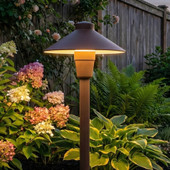
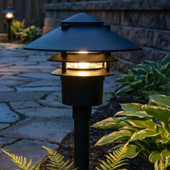
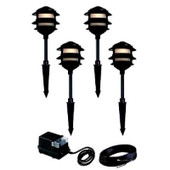
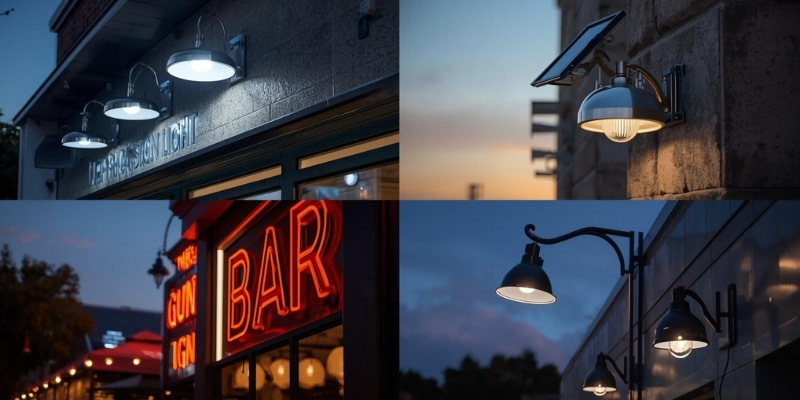
LED sign lights are the most popular option for modern commercial projects. They offer high brightness, low energy consumption, and long lifespans. LED fixtures are ideal for exterior sign lights that require consistent performance with minimal maintenance.
Solar sign lights are ideal for remote areas or projects where running electrical wiring is difficult. These fixtures rely on sunlight and built in batteries. While convenient, contractors should assess sun exposure and battery capacity to ensure reliable operation.
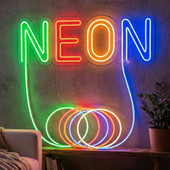
Neon light signs provide a distinctive glow and vintage appeal. While more common in decorative and branding applications, they remain popular for restaurants, bars, and specialty retail. Contractors should ensure proper transformers and weather protection for exterior use.
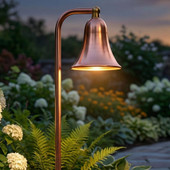
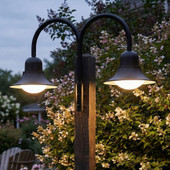
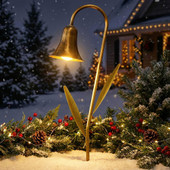
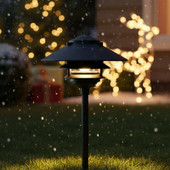
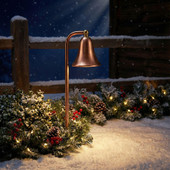
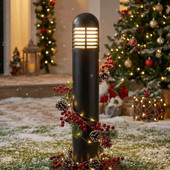
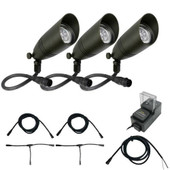
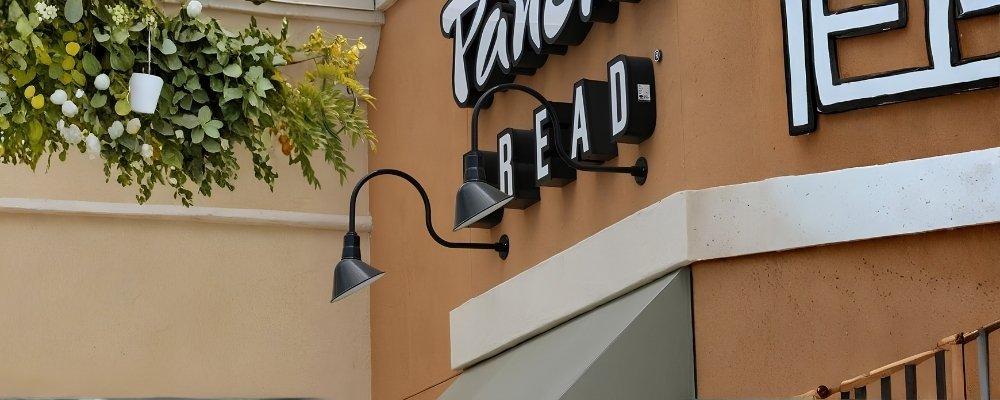
Outdoor sign lights often include gooseneck fixtures or adjustable flood lights. These provide directional illumination and can be mounted above or beside signage. Choosing the right style depends on the sign size, mounting surface, and lighting objective.
Proper planning separates professional installations from temporary fixes. Use this checklist to ensure reliable performance.
The dimensions and material of the sign determine required brightness and beam spread. Larger signs require higher lumen output and wider light distribution.
Reflective or glossy surfaces may require adjusted angles to avoid glare.
Exterior sign lights can be mounted above, below, or in front of the sign. Most contractors prefer top mounted fixtures angled downward to reduce light pollution and glare.
Ensure mounting surfaces are structurally sound.
Brightness depends on distance and sign dimensions. Underpowered sign lighting results in dim branding. Overpowered lighting creates harsh glare.
Aim for balanced illumination that evenly covers the entire sign face.
For LED sign lights, confirm access to a safe power source. Waterproof junction boxes and outdoor rated wiring are essential for durability.
For solar sign lights, confirm unobstructed sunlight exposure.
Outdoor sign lights must be rated for exterior use. Look for fixtures with appropriate IP ratings to withstand rain, dust, and temperature changes.
Visible wiring reduces professionalism. Conceal cables within conduits or wall cavities whenever possible.
Commercial sign lighting must meet local building and electrical codes. Contractors should verify compliance before final installation.
Before securing fixtures permanently, test light angles and brightness at night. Adjust positioning to eliminate dark spots.
Correct placement ensures maximum impact.
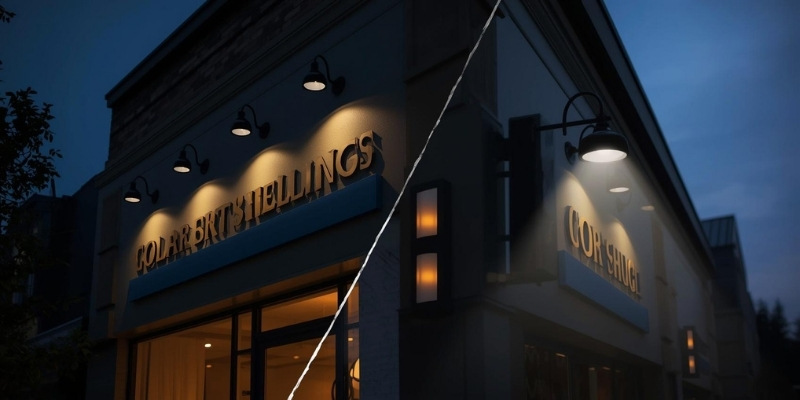
Mounting outdoor sign lights above signage and angling downward creates even coverage and reduces glare.
Multiple smaller fixtures spaced evenly often produce better results than one large fixture.
Aim fixtures carefully to prevent unwanted light spill onto neighboring properties or into the sky.
Industrial businesses may prefer bold metal exterior sign lights, while boutique shops may choose more decorative styles.
Contractors often face the question of solar sign lights versus wired LED sign lights.
For high-visibility commercial storefronts, wired LED sign lights are typically the preferred solution.
Even experienced contractors can overlook critical details.
Avoiding these mistakes ensures professional results and satisfied clients.
Sign lights operate daily and require periodic inspection.
LED sign lights require minimal maintenance compared to older halogen systems.
Beyond visibility, well designed sign lighting contributes to overall property aesthetics. Exterior sign lights create a polished, professional look that builds customer trust.
Businesses that invest in high quality sign lighting stand out in crowded commercial areas. In competitive retail districts, strong nighttime visibility can make a measurable difference in customer traffic.
Sign lighting is not just an accessory. It is a business tool that works around the clock. From LED sign lights that provide bright, efficient illumination to solar sign lights for flexible installations, the right exterior sign lights enhance visibility and brand presence.
For contractors and business owners, a thoughtful installation plan ensures durability, compliance, and long term performance. Explore the AQ Lighting collection to find commercial grade sign lights designed to deliver reliable outdoor illumination and professional results.
LED sign lights are generally the best option due to energy efficiency, brightness, and long lifespan.
Most commercial signs require between 1000 and 4000 lumens depending on size and distance.
Yes, if installed in areas with consistent sunlight. However, brightness may vary based on battery capacity and weather.
Yes. LED sign lights are designed for extended operation with low energy consumption.
Neon light signs produce a classic glowing effect, while LED sign lights provide brighter, more energy efficient illumination.
Typically 12 to 36 inches depending on beam angle and fixture design.
Outdoor rated sign lights are designed to withstand rain and environmental exposure.
Yes. Proper sign lighting improves brand recognition and attracts customers after dark.
High quality LED fixtures can last 50,000 hours or more.
Commercial installations should be handled by qualified contractors to ensure safety and code compliance.