Warehouse lighting is a specialized system designed to illuminate large, open indoor environments such as warehouses, manufacturing units, workshops, barns, and distribution centers. These spaces are very different from residential or office settings; they typically feature high ceilings, wide floor areas, and fewer partitions, which make proper lighting both essential and challenging.
Standard lighting solutions often fail in these environments because they cannot deliver sufficient brightness from elevated heights or distribute light evenly across large areas. As a result, poorly lit warehouses may suffer from shadows, dark spots, and inconsistent visibility, which can negatively affect safety and productivity.
To overcome these challenges, warehouse lighting relies on high-performance fixtures that provide strong, uniform illumination. These fixtures are specifically designed to operate efficiently at height while covering as much ground area as possible.
Today, LED technology dominates warehouse lighting solutions. LEDs are not only brighter but also far more energy-efficient compared to traditional incandescent or halogen bulbs. They consume less electricity, last significantly longer, and require minimal maintenance, making them the preferred choice for modern industrial facilities.
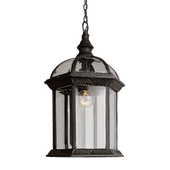
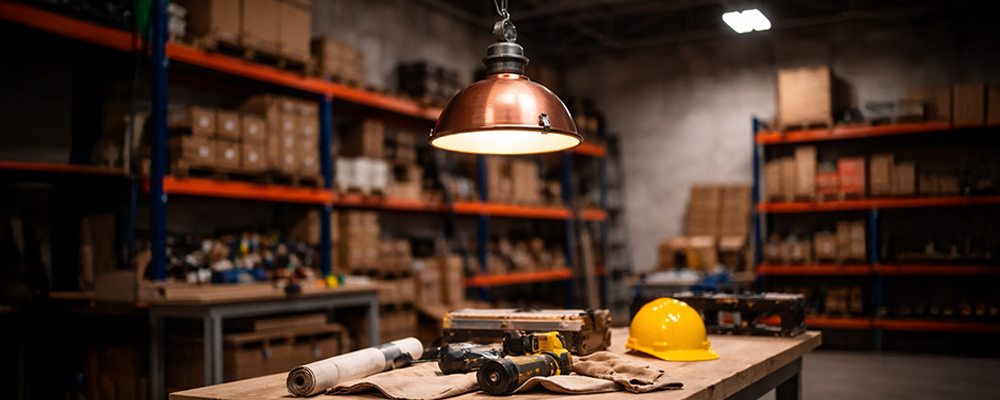
Pendant lighting has become a trusted solution in industrial environments, especially in warehouses where precision and efficiency matter. These fixtures are suspended from ceilings using rods, chains, or cables, allowing them to direct light exactly where it is needed. Unlike ceiling-mounted lights that spread illumination in multiple directions, pendant lights focus their output downward. This makes them ideal for lighting workstations, pathways, and operational zones without wasting energy on unnecessary areas.
One of the standout features of industrial pendant lights is their reflective design. Most fixtures include large metal shades that help amplify and distribute light more effectively. Instead of allowing light to scatter, these shades guide it downward and outward, increasing brightness across the workspace.
Key advantages of pendant lighting include:
Because of these benefits, pendant lighting remains a practical and cost-effective option for many warehouse setups.
Choosing the right lighting fixture starts with understanding your ceiling height. The height of your space directly influences how light spreads and how effective your fixtures will be.
For lower ceilings, typically between 8 and 12 feet, smaller industrial pendant lights are often sufficient. These provide adequate brightness without overwhelming the space or creating glare. When ceilings range from 12 to 20 feet, larger pendant fixtures are a better fit. They offer increased light output and wider coverage, ensuring consistent illumination across the floor.
For very high ceilings between 20 and 40 feet, high-bay LED lighting becomes essential. These fixtures are specifically engineered to deliver powerful light from greater heights, making them ideal for large warehouses and industrial facilities.
Using the correct lighting type for your ceiling height not only improves visibility but also ensures energy efficiency and optimal performance.
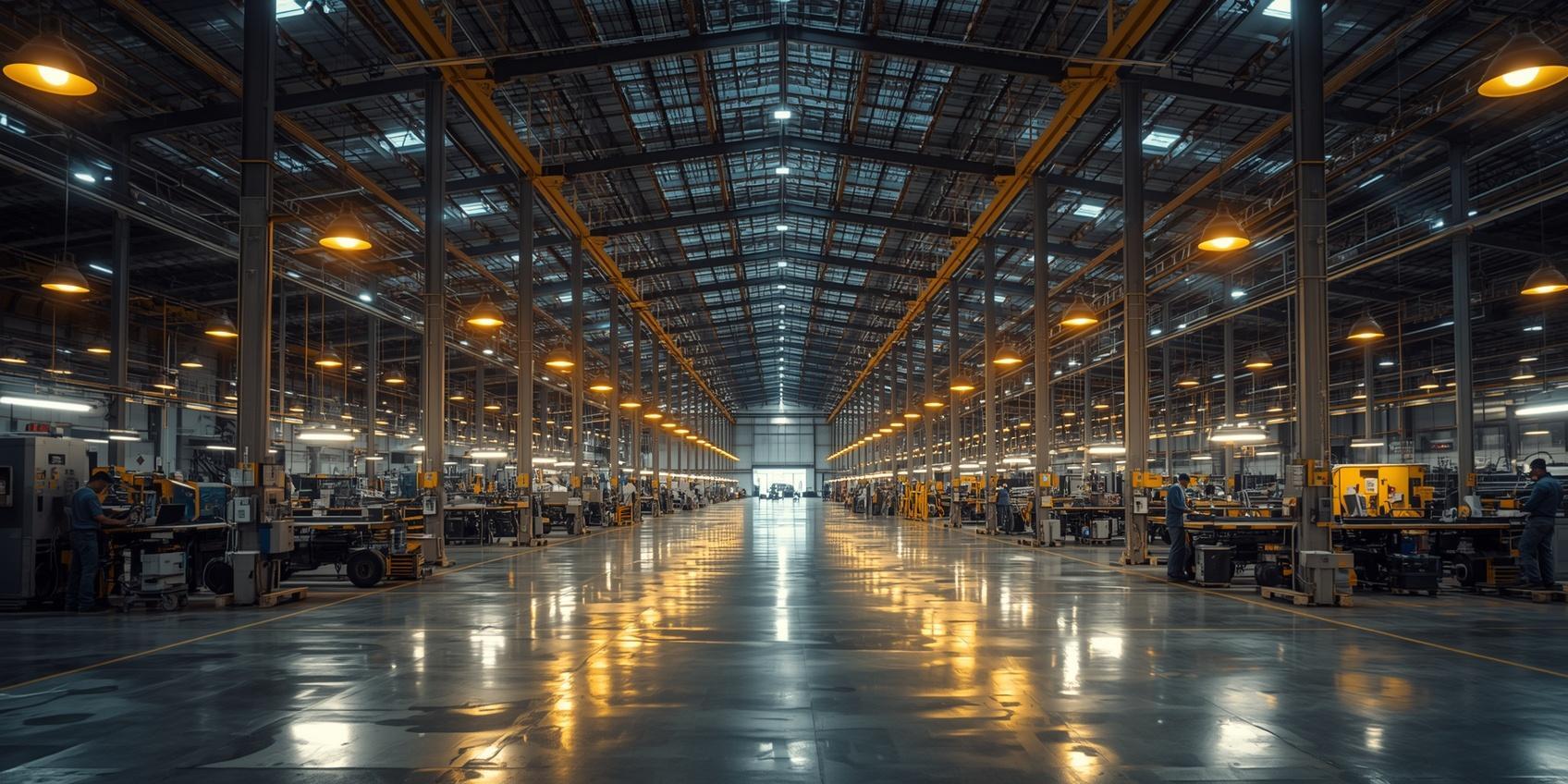
Determining how many lights a warehouse needs is not a straightforward calculation. Several factors must be considered to achieve the right balance between brightness and efficiency.
The number of fixtures depends on:
Instead of simply increasing the number of lights, the focus should be on proper layout and positioning. A well-designed lighting plan ensures that light from each fixture overlaps slightly with others. This overlap eliminates dark areas and creates a consistent lighting environment throughout the space.
For example, warehouses used for detailed assembly work require brighter and more focused lighting compared to storage facilities. Similarly, areas with heavy machinery may need enhanced illumination for safety reasons.
Balanced lighting is essential not only for visibility but also for improving accuracy, reducing errors, and maintaining a safe working environment.
When selecting bulbs for warehouse lighting, LED technology stands out as the most reliable and efficient option available today. While older lighting systems like incandescent and halogen bulbs were once common, they are now considered outdated due to their high energy consumption and short lifespan.
LED bulbs offer a range of advantages that make them ideal for industrial use. They produce bright, consistent light that improves visibility across large spaces, helping workers perform tasks more accurately and safely.
Another major benefit of LEDs is their longevity. These bulbs last significantly longer than traditional options, reducing the need for frequent replacements. This is particularly important in warehouses, where accessing fixtures at high ceilings can be time-consuming and costly.
Additionally, LEDs generate minimal heat, which helps maintain a more comfortable environment and reduces the risk of overheating in enclosed spaces. Because of these benefits, switching to LED lighting is not just an upgrade; it’s a long-term investment that delivers both operational and financial advantages.
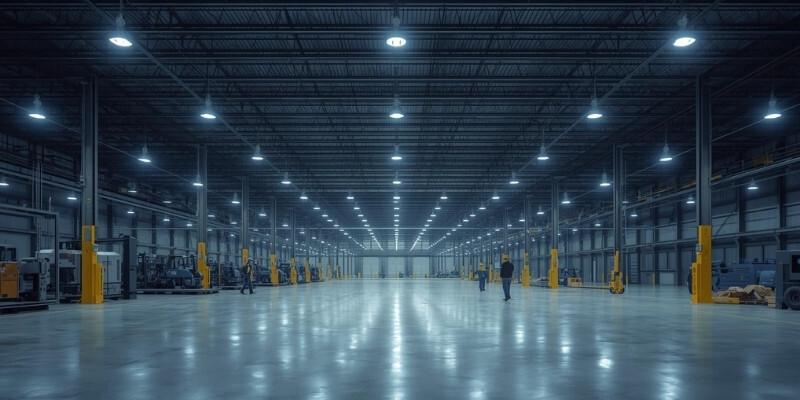
Title 24 is a set of energy efficiency standards originally established in California for buildings and lighting systems. While it began as a state regulation, similar guidelines have been adopted in many other regions to promote energy conservation and sustainability. Lighting systems that meet Title 24 requirements are designed to reduce energy consumption without compromising performance. These standards encourage the use of high-efficiency fixtures and advanced lighting technologies.
Common features of Title 24-compliant lighting include:
Fixtures with GU24 sockets and integrated LED systems are commonly used to meet these standards. By choosing compliant lighting, businesses can lower energy costs while also contributing to sustainable operations.
Although warehouse pendant lights are designed for industrial environments, their versatility allows them to be used in a wide range of settings. Their combination of durability and design makes them suitable for both functional and aesthetic applications.
You’ll commonly find these lights in:
In addition to industrial use, pendant lights have also become popular in modern interior design. Their clean, industrial look makes them a great fit for kitchens, lofts, and restaurants aiming for a contemporary or industrial-style aesthetic.
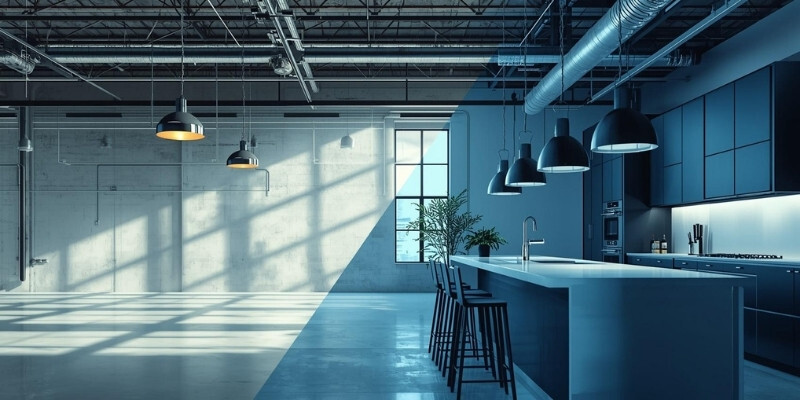
Installation height plays a crucial role in achieving effective warehouse lighting. Even the best fixtures can underperform if they are not positioned correctly. In most cases, warehouse pendant lights should be installed between 10 and 20 feet above the floor. However, the exact height depends on factors such as ceiling height, fixture size, and the required illumination type.
When installing pendant lighting, it’s important to:
Proper installation improves visibility, reduces shadows, and enhances overall efficiency. It also helps create a safer working environment by ensuring all areas are well lit and clearly visible.
The best lighting for a warehouse typically includes high-output LED fixtures or large industrial pendant lights. These options provide strong, consistent illumination while maintaining energy efficiency.
Yes, LED lights are widely considered the best option for warehouses. They offer brighter and cleaner illumination, last longer than traditional bulbs, and consume significantly less energy.
The required brightness depends on the type of work being performed. However, most warehouses need bright, evenly distributed lighting to ensure safety, efficiency, and productivity.
Yes, they can. Industrial pendant lights are increasingly used in residential and commercial interiors, including kitchens, restaurants, and loft spaces, thanks to their functional design and modern appeal.