Weatherproof LED Lighting Solutions for Contractors
AQ Lighting Mar 9th 2026
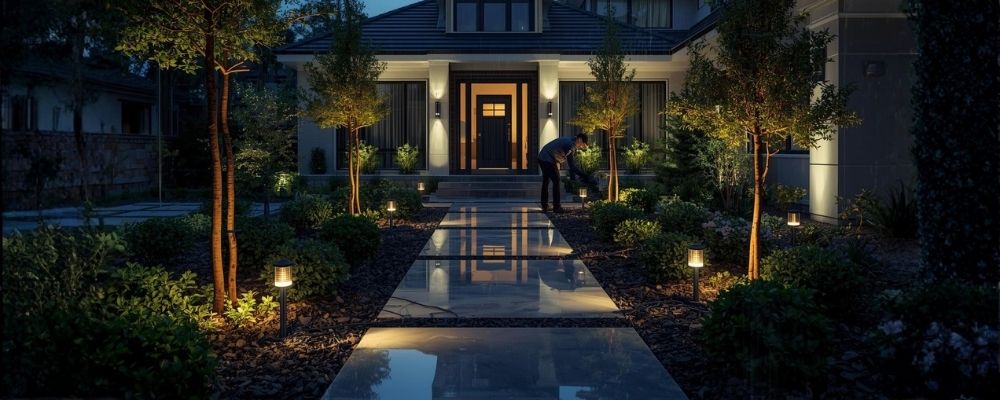
Is your property making the impact it should after sunset? Poorly lit landscapes can reduce curb appeal, safety, and overall visibility. For contractors and business owners, outdoor lighting is more than aesthetics. It is a critical tool for security, functionality, and customer perception. Weatherproof LED lighting ensures properties stay illuminated, safe, and energy efficient, even in harsh outdoor conditions.
This guide covers everything you need to know about choosing, installing, and maintaining weatherproof LED landscape lighting for residential, commercial, and industrial projects.
Why Weatherproof LED Lighting Matters
Outdoor conditions are unpredictable. Rain, snow, humidity, and dust can damage standard lighting systems. Weatherproof LED landscape lights are designed to withstand these elements, offering:
- Durability: IP-rated fixtures resist water and dust intrusion.
- Safety: Protects wiring and components from environmental hazards.
- Energy Efficiency: LED technology consumes less power while providing bright illumination.
- Low Maintenance: Longer lifespan reduces replacement and service costs.
- Design Flexibility: Suitable for pathways, gardens, driveways, and architectural highlights.
By selecting weatherproof LED fixtures, contractors can ensure long-lasting, reliable outdoor illumination.
Step 1: Identify Your Lighting Goals
Before selecting fixtures, define the purpose of your outdoor lighting:
- Safety and Security: Illuminate pathways, entrances, steps, and perimeters.
- Highlighting Landscape Features: Trees, shrubs, flower beds, and water features.
- Ambiance and Aesthetics: Soft glow for patios, decks, and outdoor seating areas.
- Energy Efficiency and Smart Control: Use low voltage LED landscape lighting or smart timers for reduced energy consumption.
Clear goals help determine fixture types, placement, and power requirements.
Step 2: Choose the Right LED Fixtures
Selecting the proper LED fixtures ensures optimal performance:
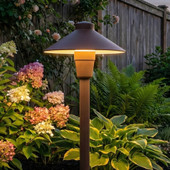
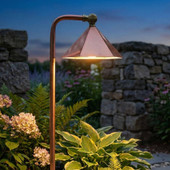
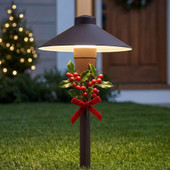
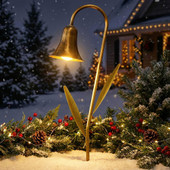
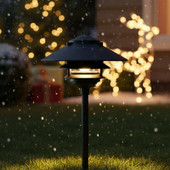
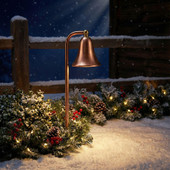
Low Voltage LED Landscape Lighting
- Ideal for paths, garden beds, and accent lighting.
- Uses transformers and low voltage wiring for safe operation.
- Compatible with timers, photocells, and smart home systems.
LED Landscape Flood Lights
- Perfect for highlighting large outdoor areas, entrances, and signage.
- Adjustable beam angles provide focused or wide coverage.
- Long lifespan and energy efficiency make them cost-effective.
LED Strip and Accent Lighting
- Flexible and ideal for stairs, under railings, or architectural accents.
- Cuttable lengths allow customized installations.
- Must be weatherproof with proper IP ratings for outdoor use.
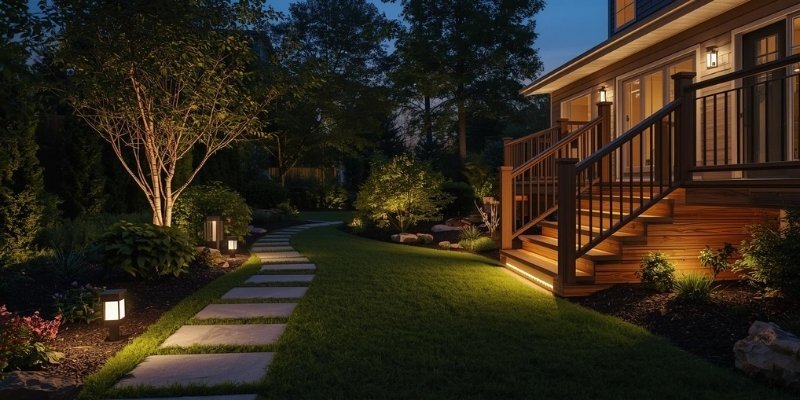
Step 3: Confirm Weatherproof and Safety Ratings
Check fixture specifications for weatherproofing and durability:
- IP Ratings: IP65 or higher is recommended for full outdoor exposure.
- UV Resistance: Protects against sun damage.
- Corrosion Resistance: Especially important in coastal or high-humidity areas.
- Temperature Tolerance: Ensures performance in extreme heat or cold.
These ratings guarantee longevity and reduce maintenance costs over time.
Step 4: Plan Transformer and Power Requirements
For low voltage LED landscape lighting:
- Calculate total wattage for all fixtures.
- Add 10–20% buffer for safe operation.
- Choose transformers suitable for multiple zones, timers, or smart controls.
- Consider multiple smaller transformers for large properties to prevent voltage drop.
Proper planning prevents flickering, dimming, or premature LED failure.
Step 5: Layout and Placement Tips
Effective layout enhances aesthetics and functionality:
- Pathway Lighting: Illuminate walkways evenly to prevent shadows or dark spots.
- Accent Lighting: Highlight trees, shrubs, water features, and architectural elements.
- FloodLights: Position to cover larger areas without glare or light pollution.
- Spacing: Adjust based on fixture wattage, beam angle, and desired brightness.
Collaborate with landscape designers and electricians to integrate fixtures seamlessly with the property.
Step 6: Installation Best Practices
Follow these tips for professional installation:
- Use proper outdoor-rated connectors and waterproof wire nuts.
- Bury low voltage cables 2–6 inches below grade or use conduit where required.
- Maintain proper separation from irrigation systems to prevent damage.
- Test each fixture before finalizing placement and backfilling trenches.
Attention to detail ensures long-term reliability and client satisfaction.
Step 7: Energy Efficiency and Maintenance
LED lighting reduces power consumption and maintenance:
- LED bulbs last 25,000–50,000 hours depending on usage.
- Low voltage systems reduce electricity costs and increase safety.
- Smart timers or motion sensors prevent unnecessary operation.
- Weatherproofing minimizes water or dust damage, extending fixture lifespan.
Contractors can offer clients a low-maintenance, energy-efficient outdoor lighting solution.
Step 8: Coordinate With Other Trades
Pre-construction coordination saves time and reduces conflicts:
- Align wiring with irrigation, hardscape, and architectural elements.
- Confirm transformer locations and wiring paths with electricians.
- Ensure fixture placement does not interfere with other outdoor utilities.
Proper collaboration ensures a seamless, professional installation.
Step 9: Testing and Adjustments
After installation:
- Test all fixtures during nighttime conditions to evaluate coverage.
- Adjust beam angles, spacing, or brightness as needed.
- Verify smart control, timer, or sensor functionality.
Fine-tuning guarantees both aesthetic and functional goals are met.
Illuminate Your Projects with Confidence
Weatherproof LED landscape lighting is an investment in safety, aesthetics, and energy efficiency. By carefully considering goals, fixture selection, layout, transformer sizing, and maintenance, contractors can deliver installations that perform reliably and impress clients.
Whether using low voltage LED landscape lights, flood lights, or strip lighting, proper planning ensures durability, reduces maintenance, and maximizes energy efficiency. Explore the AQLighting collection to find high-quality, weatherproof LED lighting fixtures built for easy installation and lasting results.
FAQs
➜ Can you cut LED strip lighting?
Yes, outdoor LED strip lights are cuttable at marked intervals. Ensure cuts occur only at designated points and connectors are waterproof for outdoor use.
➜ What is new in industrial LED lighting?
Recent updates include higher lumen efficacy, integrated smart controls, motion sensors, weatherproof designs, and better energy efficiency for commercial and industrial applications.
➜ Are LED landscape lights weatherproof?
Many are IP65 rated or higher, making them resistant to water, dust, and UV exposure. Always confirm the fixture’s rating before outdoor installation.
➜ How far apart should LED landscape lights be placed?
Spacing depends on fixture type, brightness, and desired effect. Pathway lights typically 6–10 feet apart, accent lights closer for focused illumination.
➜ Can I use low voltage LED lights in wet areas?
Yes, as long as they are weatherproof rated (IP65 or higher) and installed according to manufacturer instructions with proper grounding and connectors.
➜ How do I prevent voltage drop in low voltage LED systems?
Use the correct wire gauge, calculate total wattage, and distribute power across multiple zones if needed. Keep cable runs within recommended lengths.
➜ Can I integrate LED landscape lighting with smart home systems?
Yes. Many weatherproof LED lights are compatible with timers, smart controllers, and mobile apps for automated control and dimming.
➜ What is the average lifespan of outdoor LED lights?
High-quality LEDs last 25,000–50,000 hours, depending on usage and environmental exposure. Proper installation and weatherproofing extend lifespan.
➜ Can LED flood lights be used for security lighting?
Yes. Outdoor LED flood lights provide bright, broad coverage, making them ideal for security, driveways, and building perimeters.
➜ How do I choose the right transformer for low voltage LED landscape lights?
Calculate total wattage of all fixtures, add a 10–20% buffer, and select a transformer rated for outdoor use and compatible with timers or multiple lighting zones.